

- VENTRIFLO APEX
- RESEARCH USE ONLY
VentriFlo®
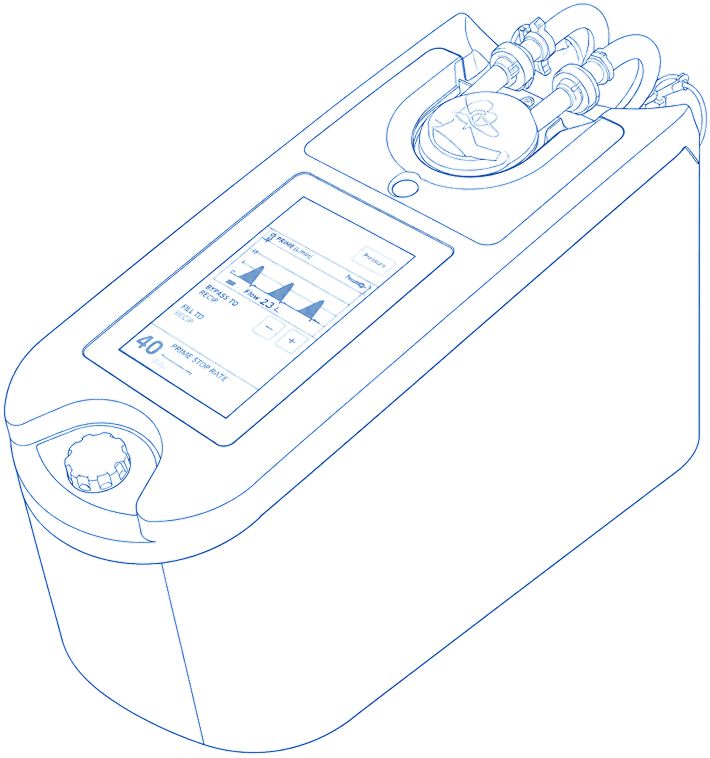
Apex™ Counterpulsed VA-ECMO
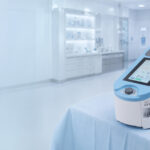
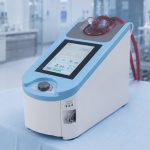
VentriFlo Apex is an ECG-synchronized, counterpulsed VA-ECMO system. Built-in LV unloading, preserved pulsatility, and a path to facilitates weaning — all from a single bedside cannulation.
- THE PROBLEM
- CLINICAL NEED
Cardiogenic shock outcomes
haven’t moved.
Despite three generations of temporary mechanical circulatory support (tMCS), mortality stays stubbornly high.
- THE PROBLEM
- CLINICAL NEED
Cardiogenic shock
outcomes haven’t moved.
Despite three generations of temporary mechanical circulatory support (tMCS), mortality stays stubbornly high.
30-day cardiogenic shock mortality, unchanged across three device generations
Annual U.S. hospital cost of cardiogenic shock
Growth in U.S. cardiogenic shock
hospitalizations, 2004–2018
Cardiogenic shock by SCAI (Society for Cardiovascular Angiography and Interventions) stage
30-day mortality in cardiogenic shock remains 40–63%. Hospitalizations have roughly tripled since 2004 and continue to climb, costing U.S. hospitals an estimated $11–14 billion a year.
- WHY IT MATTERS
Current options
leave a gap
Each current option closes some gaps while leaving others open. Apex is designed to close them from a single device.
- WHY IT MATTERS
Current options leave a gap
Each current option closes some gaps while leaving others open. Apex is designed to close them from a single device.
pVAD
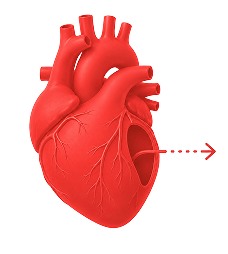
actively unloads the LV and reduces cardiac workload, but requires invasive cross-valve insertion, suppresses microcirculation, and offers no oxygenation — at the highest cost — falling short of a combined, less-invasive solution.
IABP
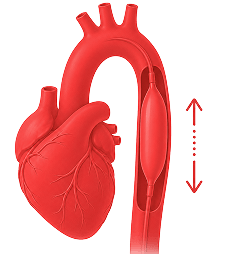
preserves pulsatility and microcirculation through counterpulsation at low cost, but provides no oxygenation and no meaningful forward flow support, falling short of the hemodynamic support needed in true cardiogenic shock.
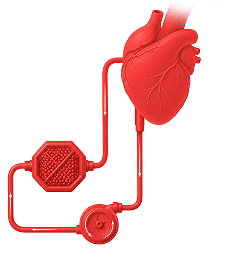
VA-ECMO
provides full oxygenation and bedside deployability at moderate cost, but its continuous competitive flow increases LV afterload and reduces microcirculatory perfusion — falling short of the need for simultaneous gas exchange and cardiac unloading.
- THE SOLUTION
- TECHNOLOGY
One device, every objective.
ECG-synchronized counterpulsed VA-ECMO — built-in LV unloading,
preserved pulsatility, and facilitates weaning.
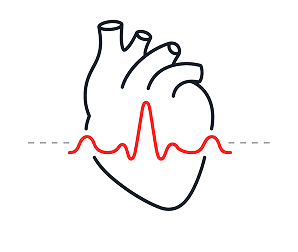
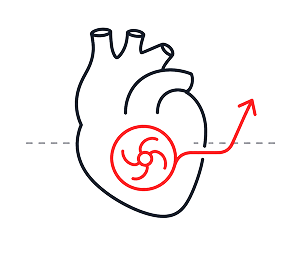
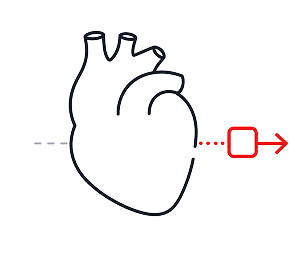
Сombining oxygenation and unloading and physiologic flow in one platform
Three parts. One system.
Single-use pump, membrane & valves
Single-use volume-displacement pump with a flexible membrane, integrated valves, disposable blood path.
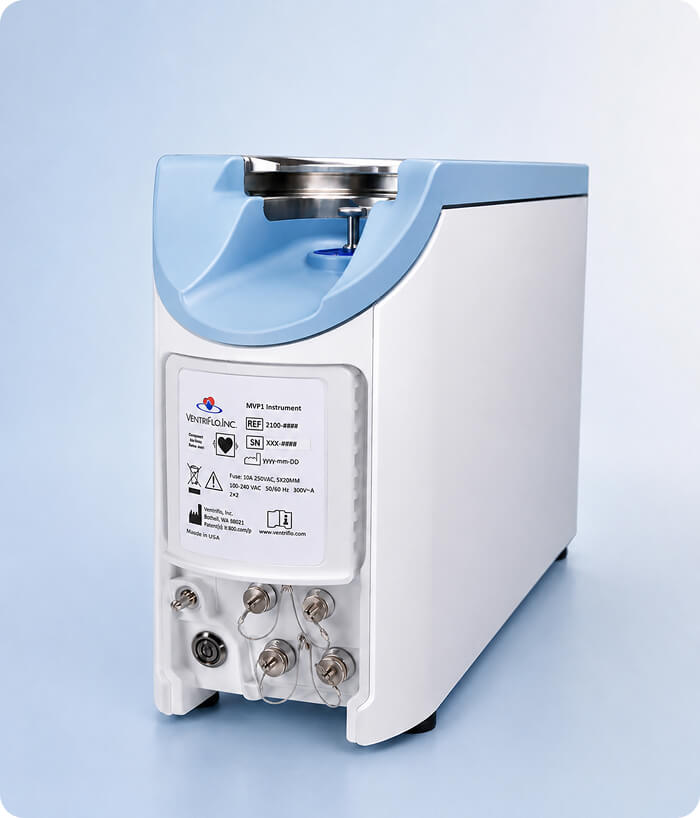
Pump driver
Pump driver that powers and controls the pumping mechanism with precise performance.
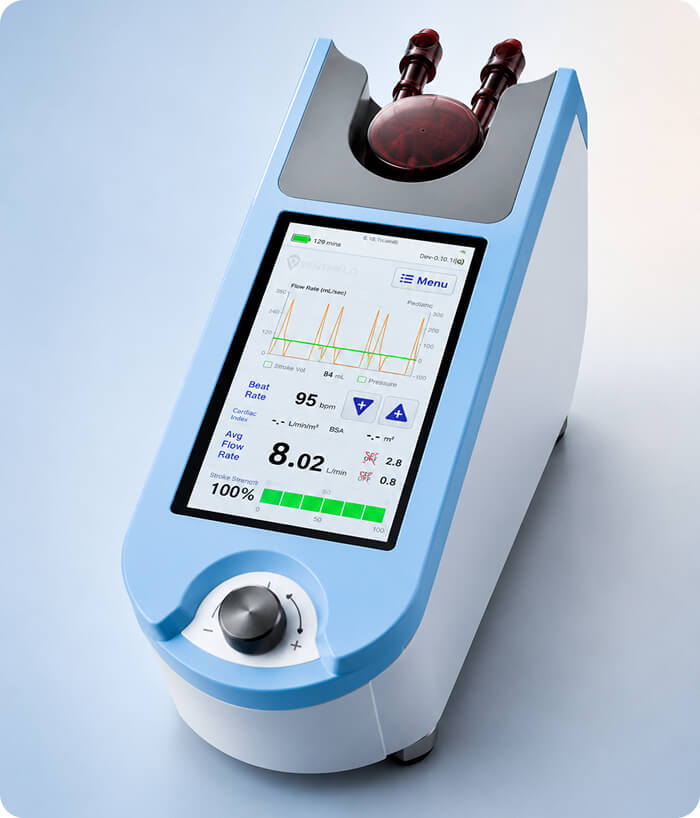
Control console
ECG-gated control console with user-guided operation, customizable stroke volume, flow rate.
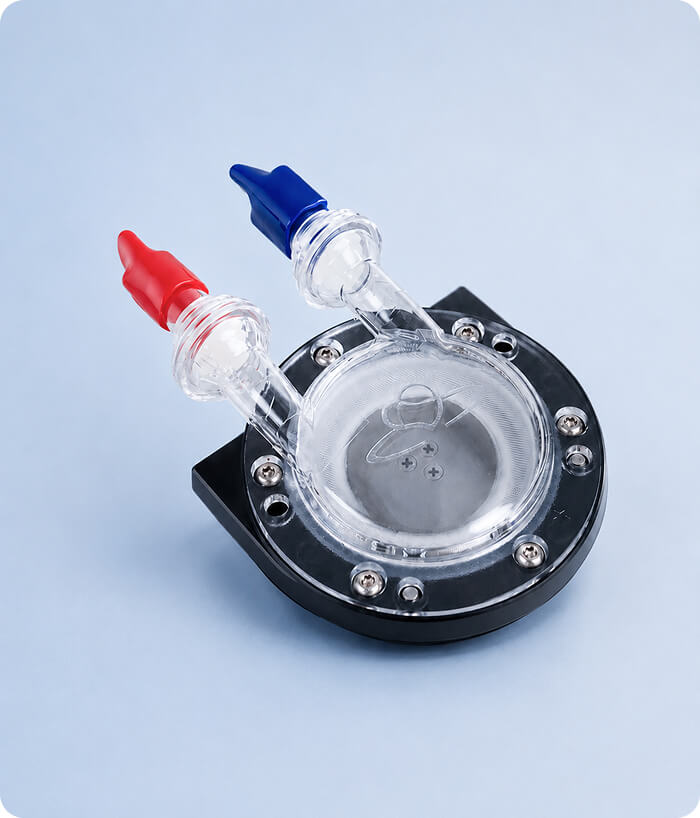
Single-use pump, membrane & valves
Pump driver
Control console
- HEART RECOVERY
Cardiogenic shock needs a path to recovery — the case for giving circulatory support a pulse.
The case for giving temporary circulatory support a pulse begins early in the cardiogenic shock cascade, when heart recovery is the goal. By combining counterpulsation that delivers an added pulse between heartbeats, biventricular oxygenation that supports both ventricles through one circuit, and precise ventricular unloading that removes volume so the heart can rest, this approach is designed to restore circulation while giving the heart and body the best opportunity to recover.
CONTINUOUS FLOW
PHYSIOLOGIC PULSE
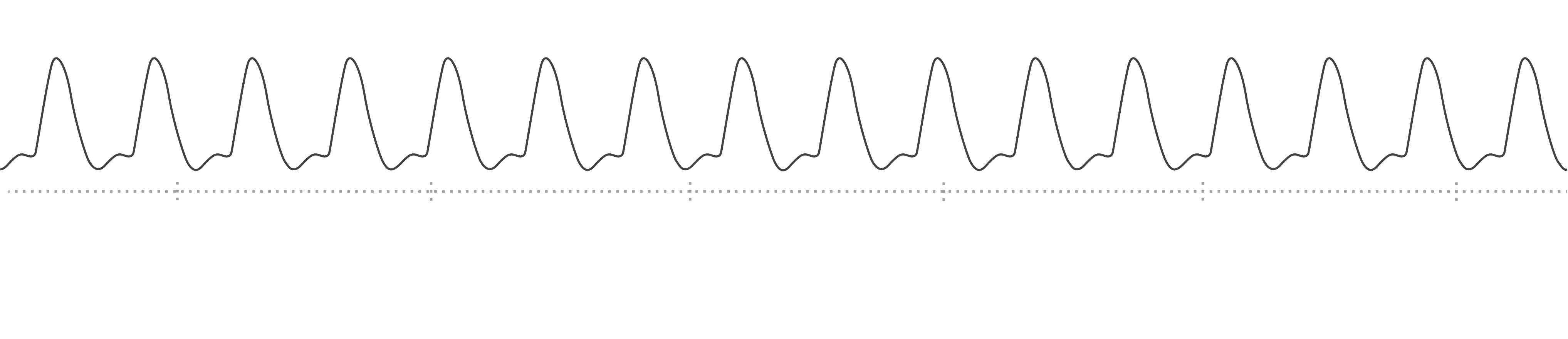
Reduced workload
Associated with reduced myocardial workload versus continuous flow.
Works with
the heart
ECG-synchronized counterpulsation augments the heart’s own rhythm rather than overriding it.
Better perfusion
Associated with improved coronary and renal perfusion and healthier microcirculation.
- EVIDENCE
Institutional validation.
Protected by a global patent portfolio.
200+
Preclinical procedures
16+
Centers of Excellence
265+
Trained operators
1,300+
Hours of on-pump runtime
25+
Publications & abstracts
“Pulsatile flow is a paradigm-changing idea that I honestly believe could become the standard of care.”
Jack Copeland, MD · Cardiothoracic surgical pioneer
- EVIDENCE
Key publications & abstracts
Evidence, innovation, and clinical experience brought together in one collection of scientific publications.
- EVIDENCE
Key publications &
abstracts
Evidence, innovation, and clinical experience brought together in one collection of scientific publications.
- ABOUT
Building the team behind VentriFlo.
An experienced management team, supported by leading scientific and clinical advisors.
- ABOUT
Building the team
behind VentriFlo.
An experienced management team, supported by leading scientific and clinical advisors.
Management team
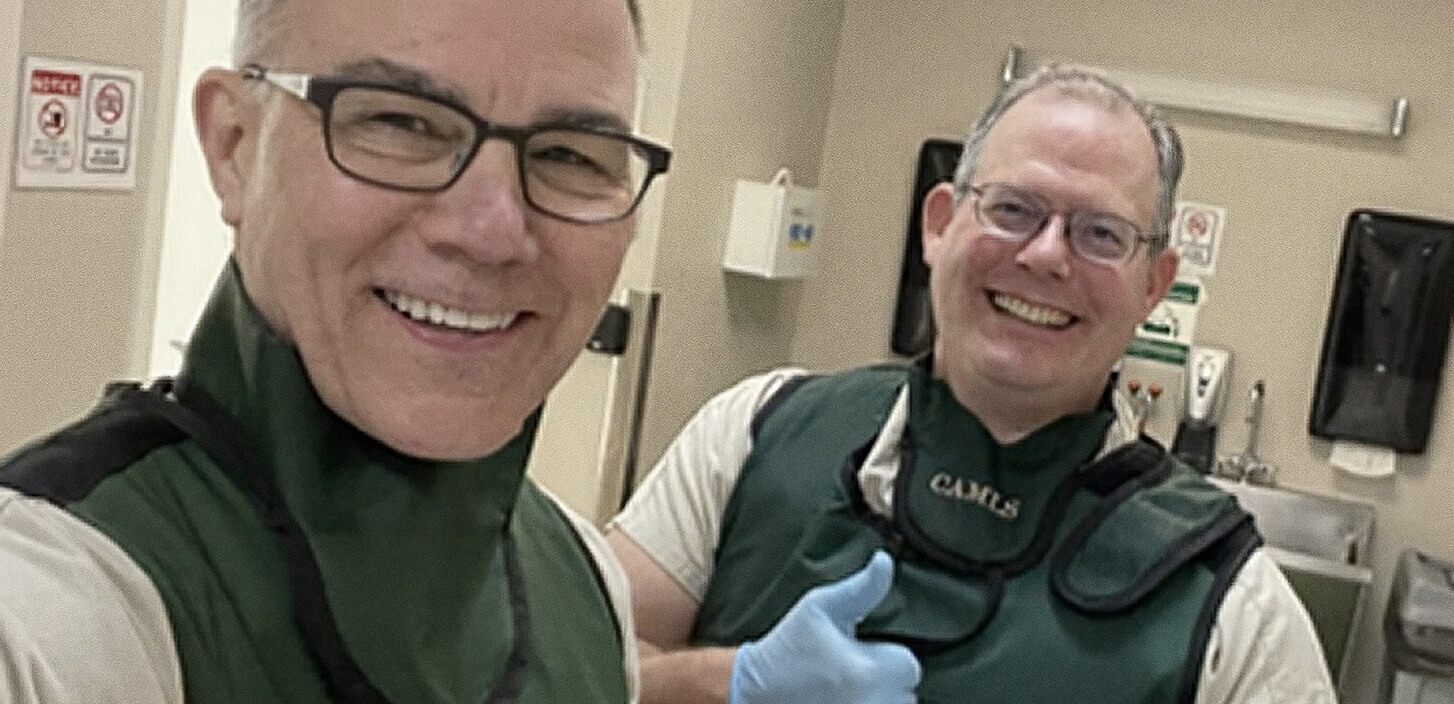
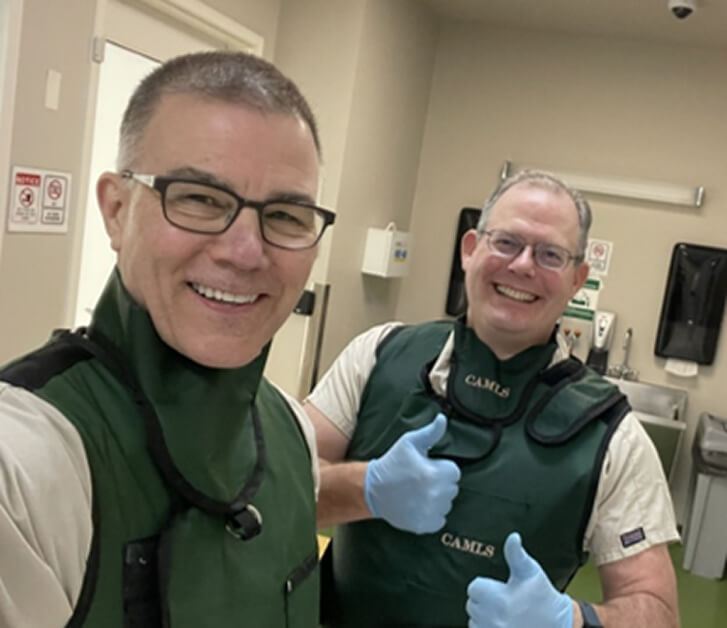
Steve Lufkin is an experienced life sciences CEO with a strong record of building high-performing teams, advancing pioneering products, and creating long-term enterprise value in complex, competitive markets. He brings a disciplined approach to strategic planning, aligning R&D and commercial priorities while guiding organizations through capital, regulatory, operational, and market-driven decisions.
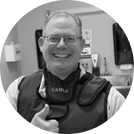
Doug Vincent is a collaborative, multidisciplinary product development leader with deep expertise in extracorporeal blood pumping systems that support heart and kidney function. As Founder & CTO, he brings a disciplined focus on advancing breakthrough medical technologies that address unmet clinical needs, create meaningful market opportunities, and deliver long-term R&D value.
Scientific & clinical advisors
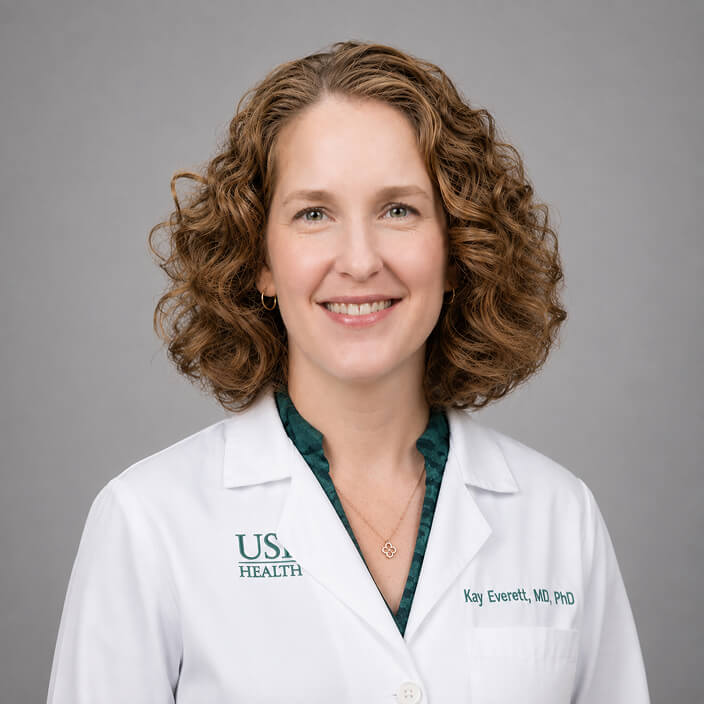

Dr. Kay D. Everett, MD, PhD is a physician and engineer with expertise in cardiovascular hemodynamics of mechanical circulatory support. Dr. Everett is an Assistant Professor of Medicine and Medical Engineering at the University of South Florida, Director of the Cardiovascular Hemodynamics and Devices Laboratory at the USF Health Heart Institute and Attending Cardiologist in the Cardiac Intensive Care Unit at Tampa General Hospital.
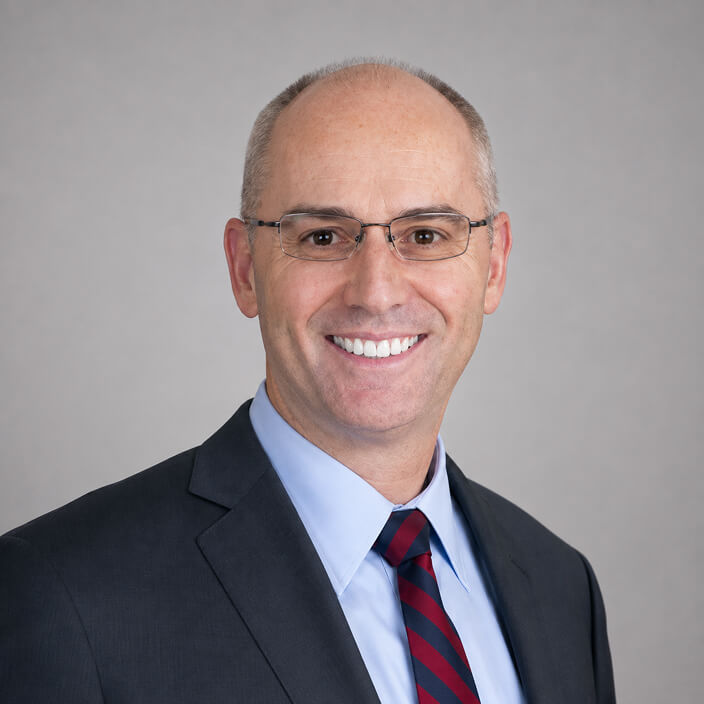

Surgical Director, Heart Transplantation and Ventricular Assist Devices Massachusetts General Hospital; Member of Faculty, Harvard Medical School. David A. D’Alessandro, MD, is cardiac surgeon at Massachusetts General Hospital. He is a member of the Mass General Corrigan Minehan Heart Center and the Mass General Transplant Center, and specializes in ventricular assist devices. He is also a Member of Faculty at Harvard Medical School.
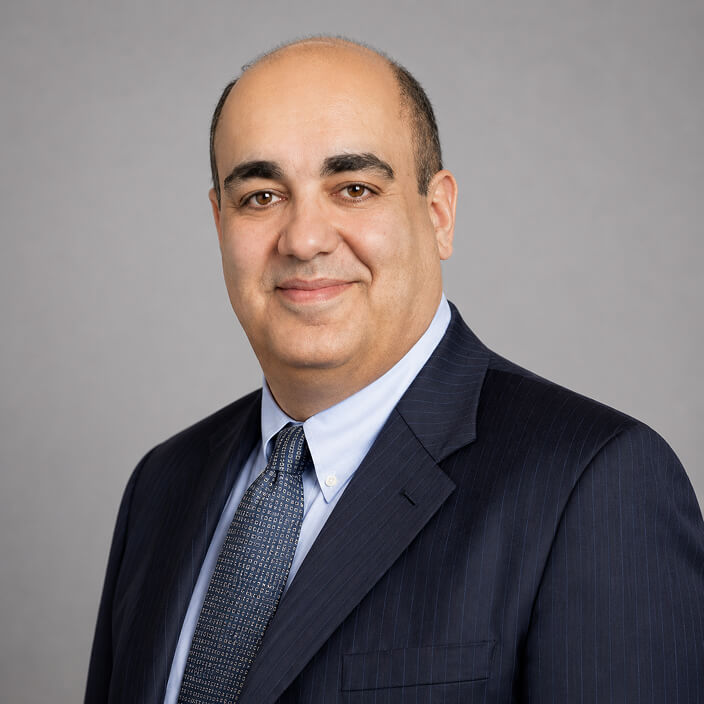

NYU Langone Medical Center, Professor of Cardiothoracic Surgery and Surgical Director, Heart Transplantation & Mechanical Circulatory Support. Joined NYU Langone Medical Center as Surgical Director of Heart Transplantation and Mechanical Circulatory Support and as a Professor in the Department of Cardiothoracic Surgery in 2017. He served as Director of Surgery for Transplants and Left Ventricular Assist Device (LVAD) Implantations at the Cleveland Clinic.
- OPPORTUNITY
A category-defining opportunity.
A single device designed to close the gaps left by three generations of temporary mechanical circulatory support — in a large, rising, high-cost clinical market.
FOR INVESTORS & PARTNERS
Investor documents and data-room access shared upon request.
Join us in changing the standard of care.
Get in touch about collaboration, partnership, or investment — including prospective trial sites.